

Also known as: geoscientist, mineralogist, crystallographer, paleontologist, stratigrapher, seismologist

Avg. salary range
$79k–$112k
across regions
Hours / Day
10
Days / Week
5
working days
About this career
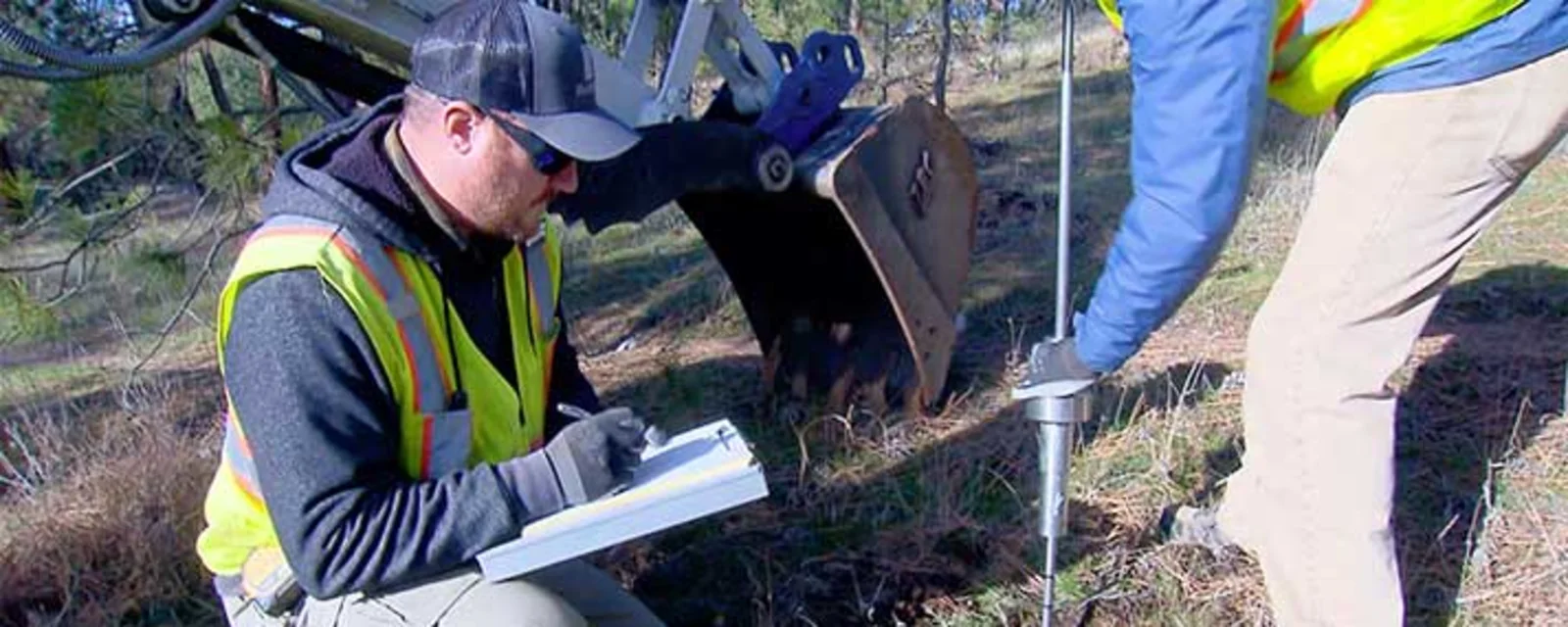
Geologists study the composition, structure, and other physical aspects of the Earth. They may use geological, physics, and mathematics knowledge in exploration for oil, gas, minerals, or underground water; or in waste disposal, land reclamation, or other environmental problems. Studies may include the Earth's internal composition, atmospheres, oceans, and its magnetic, electrical, and gravitational forces.
Career Level
Where you could work
Click or tap a logo to learn more.
Where do we get our data?
Our career data is based on regional averages provided by the Spokane Workforce Council. Data is subject to change based on location, job specialty, experience level, and/or union association.
What you'll need
Hover or tap a skill to learn more.
Attention To Detail
Do you often notice things that other people miss? Are you able to complete a project with few or no mistakes?
Communication
Are you able to write or vocalize your thoughts efficiently? Can you retain information that you hear or read?
Computer Skills
Can you easily learn to use new programs or applications? Are you able to quickly find necessary files or information? Can you fix minor computer related issues?
Organization
Are you able to keep clutter to a minimum? Can you keep track of lots of different information?
Research
Are you able to easily collect information? Do you quickly identify higher priority information?
Education & Training

Bachelor's Degree
A bachelor's is a post-secondary undergraduate degree. Historically, the term “college degree” meant a bachelor's or traditional four-year degree. Bachelor's degrees usually take between four and six years to complete.
Compensation
North Central
Washington
Low
$70,900
Average
$87,700
High
$104,000
Washington minimum wage
Salary data reflects regional averages and may vary by employer, experience, and specialization.
Work Schedule
Shift cycle
5 on · 2 off per cycle
Typical shifts are 8 to 10 hours long, 5 days a week. Overtime is often required for field work and emergency services.
How does it compare?
Average Salary
$92,633
Overall Rank
56th
out of 199 careers
In Agriculture & Natural Resources
6th
out of 17 careers
Salary distribution
Rankings are based on average salary data across all careers in our database. Individual earnings may vary.
See it in action


