

Avg. salary range
$80k–$113k
across regions
Hours / Day
8
Days / Week
5
working days
About this career
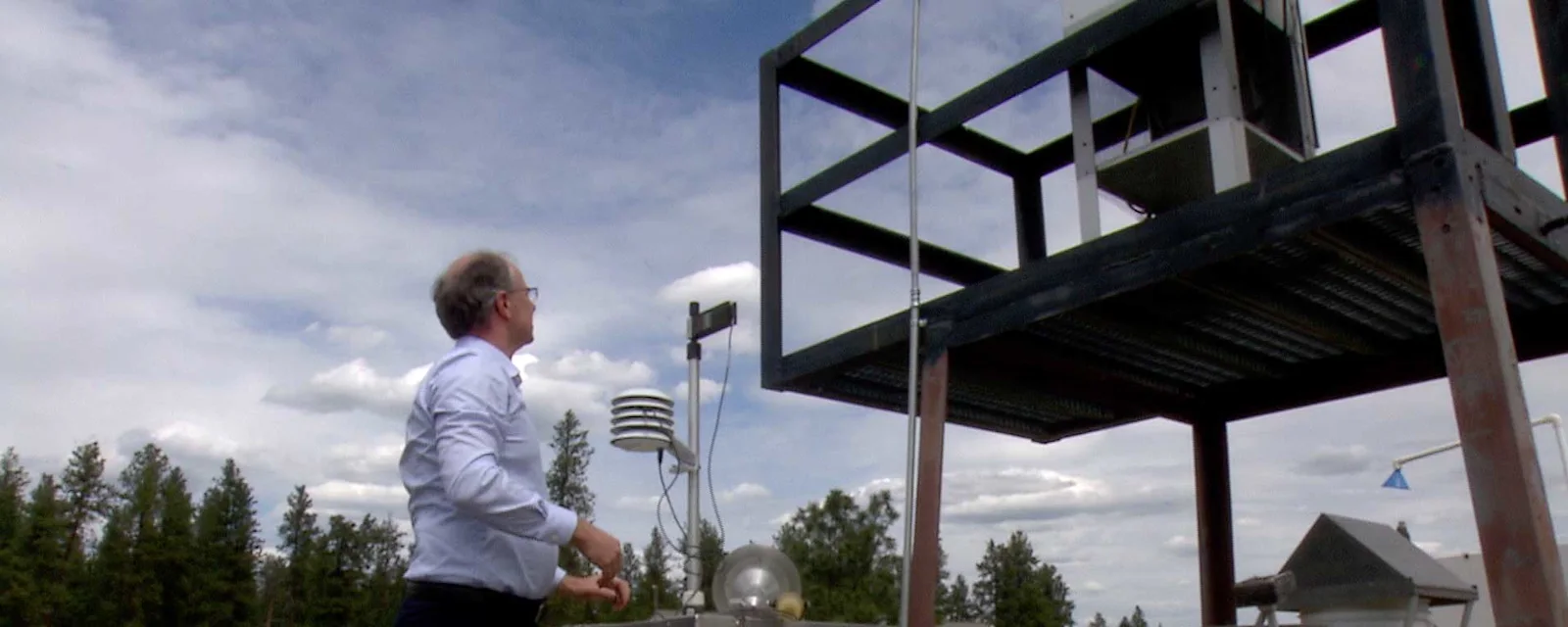
An air quality monitor helps to assess and ensure the quality of the air we breathe. They work in various settings, including government agencies, research organizations, and environmental consulting firms. Air quality monitors use specialized equipment to measure and analyze the composition of the air, including pollutants and harmful substances. They collect data on factors like particulate matter, ozone levels, carbon monoxide, and other pollutants that can affect the environment and public health. By analyzing air quality data, they can make informed decisions to improve air quality, implement pollution control measures, and develop strategies for environmental conservation.
Career Level
Where you could work
Click or tap a logo to learn more.
Where do we get our data?
Our career data is based on regional averages provided by the Spokane Workforce Council. Data is subject to change based on location, job specialty, experience level, and/or union association.
What you'll need
Hover or tap a skill to learn more.
Communication
Are you able to write or vocalize your thoughts efficiently? Can you retain information that you hear or read?
Leadership
Do you work well in a group setting? Are you good at building relationships with others? Are you good at recognizing the skills of others?
Problem Solving
Do you enjoy solving puzzles? Are you able to easily identify the cause of a problem?
Planning
Do you often take notes or make lists? Do you manage you time efficiently? Are you able to prioritize important tasks?
Research
Are you able to easily collect information? Do you quickly identify higher priority information?
Education & Training

Bachelor's Degree
A bachelor's is a post-secondary undergraduate degree. Historically, the term “college degree” meant a bachelor's or traditional four-year degree. Bachelor's degrees usually take between four and six years to complete.
Compensation
North Central
Washington
Low
$70,900
Average
$87,700
High
$104,000
Washington minimum wage
Salary data reflects regional averages and may vary by employer, experience, and specialization.
Work Schedule
Shift cycle
5 on · 2 off per cycle
Typical shifts are 8 to 10 hours long depending on work location for the day. Shifts are usually 5 days a week, Monday through Friday
How does it compare?
Average Salary
$93,400
Overall Rank
54th
out of 199 careers
In Agriculture & Natural Resources
4th
out of 17 careers
Salary distribution
Rankings are based on average salary data across all careers in our database. Individual earnings may vary.
See it in action


